Lidiar Group Welcomes Scott Smith into Leadership Role
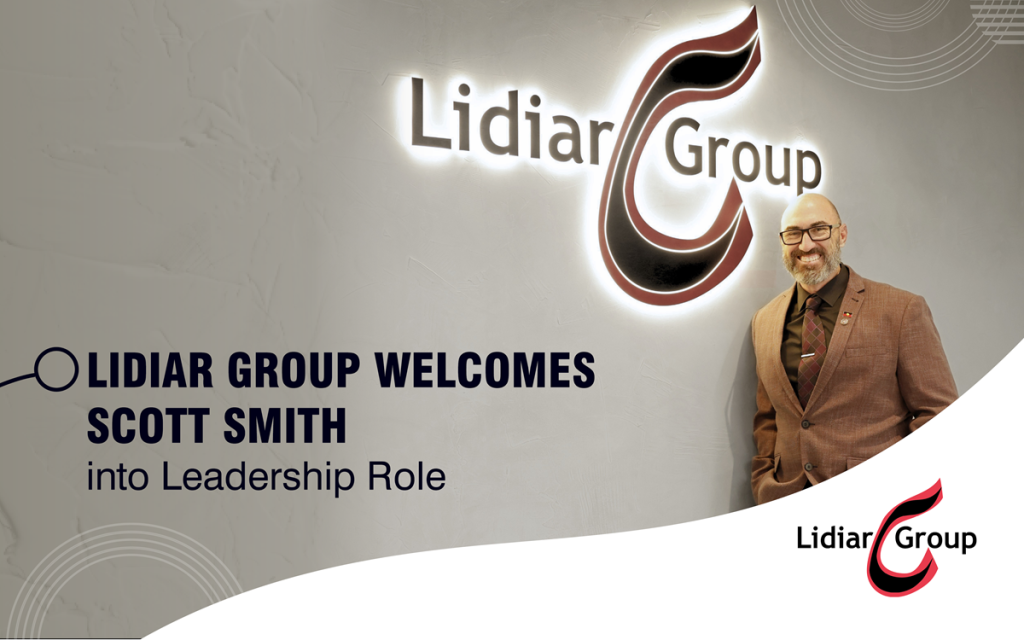
Lidiar Group is proud to announce the appointment of Scott Smith as Head of Strategy & Business Growth, further strengthening the organisation’s leadership capability as it continues to expand its national footprint and service offering. An Aboriginal and Veteran executive leader with more than 30 years’ experience across mining, energy, resources, industrial services, facilities management […]
Governance That Works: From Reporting to Assurance
Governance featured prominently at the 2026 OHS Leaders Summit, not as a new concept, but as an area requiring closer examination. Not because organisations lack frameworks. Most already have them. The harder question is whether those frameworks are producing real assurance, or simply creating the appearance of control. Julio Bara said, “We tend to measure […]
Line-Led Safety: Why Accountability Must Be Clear
One of the sharper challenges discussed at the 2026 OHS Leaders Summit was also one of the simplest. We talk a lot about shared ownership in safety. But ownership and accountability are not the same thing. That distinction matters more than it sounds. In complex organisations, safety sits across multiple functions. WHS builds frameworks and […]
The Watermelon Problem: When Safety Data Looks Good, But Isn’t
At the OHS Leaders Summit, one concept resonated strongly across industries. The “watermelon problem”. Green on the outside, red on the inside. It is a simple way of describing a complex issue: when reported safety performance looks healthy, but the lived experience of work tells a different story. Julio Bara said, “We rely on data, […]
AI in Safety: From Hype to Practical Value
Artificial Intelligence continues to dominate industry conversations, often framed as a transformational force. At this year’s OHS Leaders Summit, the most useful conversation steered away from the hype and focused on discipline. The real issue was whether organisations were adopting AI with sufficient clarity, governance, and respect for where human judgement must still sit. Julio […]
Fix the Work, Not the People: Rethinking Psychosocial Risk in Modern Workplaces
One of the clearest themes to emerge from the 2026 OHS Leaders Summit was also one of the most uncomfortable. Many organisations are investing heavily in supporting individuals, while leaving the conditions of work largely untouched. Wellbeing programs, support services and resilience initiatives all have a role to play. But the Summit kept returning to […]
The Great Safety Correction: Why WHS Must Lead, Not Follow, Digital Transformation
At the Australian 2026 OHS Leaders Summit on the Sunshine Coast, one message cut through early. Work Health and Safety is still being invited into digital transformation too late. By the time WHS is asked to review a system, platform or technology change, many of the most important decisions have already been made. Key choices […]
Celebrating the success of Maudu Collective and the inspiring journey of founder Valerie Murray, a proud Barunggam woman deeply connected to Country!
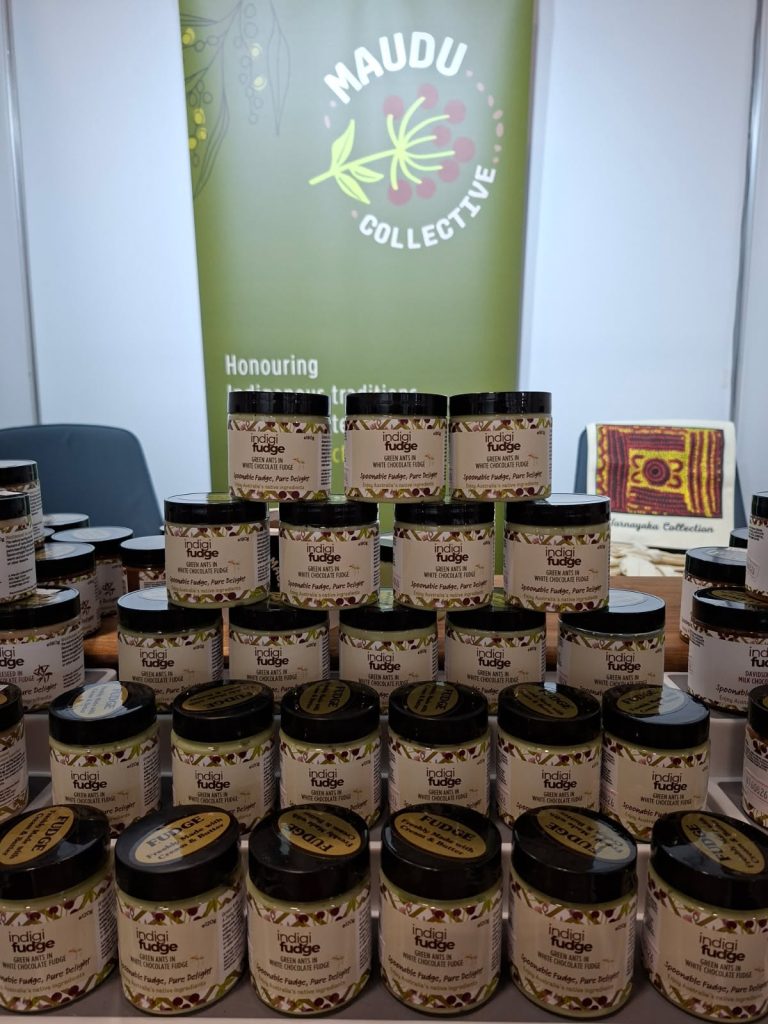
Valerie’s personal journey back to Country inspired the creation of Maudu Collective — a business built on sharing culture in meaningful and engaging ways. Through workshops on bush tucker and native remedies, Indigenous weaving and craft, cultural art and more, Maudu Collective creates experiences that allow people to truly taste, touch, and learn from Aboriginal […]
From commitment to capability
Why sustainability only works when it is practical By Olenka Garavito Ruas, Associate – Environmental Consultant Sustainability commitments are now commonplace across infrastructure, resources and industrial sectors. Net Zero targets, ESG frameworks and sustainability reports are part of everyday business language. The real test, however, is not the commitment itself. It is whether organisations have […]
Seeing the risk before it stops the project
By Steve Onogbo, Associate – Environmental Consultant Environmental risk rarely announces itself loudly at the start of a project. More often, it sits quietly in approval conditions, design assumptions or materials schedules, only becoming visible when construction is underway and options are limited. By that point, the consequences are usually felt in delays, cost escalation […]